
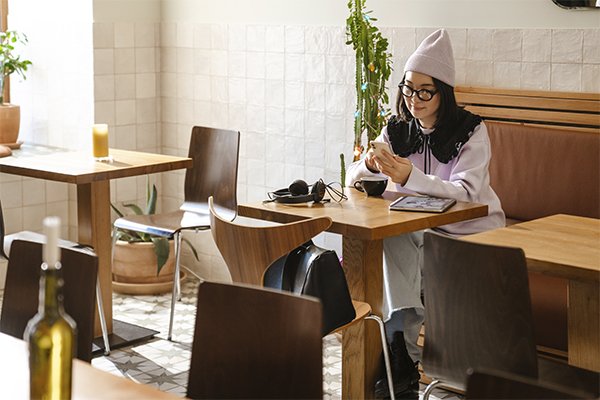
The Community Café is a small but important place in Palmers Green. Many local people know it as a space for meeting, learning, and eating simple food. It is not only a café for coffee or cakes. It is a place where people feel welcome, talk with others, and share ideas. The café works with local residents and volunteers. Together they create space for community life.
History and Purpose
The café started as an idea to make the park more alive. People wanted a place near green areas to sit, drink tea or coffee, and meet others. They wanted children and older people to have a place where everyone feels comfortable. It was a small plan at first, just an idea in a notebook. Slowly people join, helping with furniture, food, and cleaning.
The purpose is simple–bring people together. Many visitors are regulars; some come for the first time. Everyone is welcome. They sit on small tables, sometimes outside, sometimes inside. Volunteers explain the menu and help if someone asks.
It is not a commercial café. People do not come for luxury or expensive meals. They come for simple food, a friendly face, and conversation. The café shows how a local place can be more than a business.
Food and Simple Menu
The café offers a small menu. Food is simple, fresh, and easy. People can have tea, coffee, or a small cake. Sometimes soups, sandwiches, and salads. All is fresh and made with care. The menu changes with the season. Volunteers also bring local products or food from small producers.
The café also teaches about food. They show how to cook simple meals. Sometimes children come with parents to learn how to make a sandwich or small salad. People learn to eat healthy and share. The food is not expensive, but it is nice and gives energy.
Volunteers say food is also a reason for conversation. While drinking tea, people talk about the park, about neighbors, and about events. Sharing food becomes sharing ideas and feelings.
- Food is simple and fresh.
- The menu changes with the season.
- Volunteers help with cooking.
- Children and adults learn cooking skills.
- Everyone shares tables and stories.
Community and Social Life
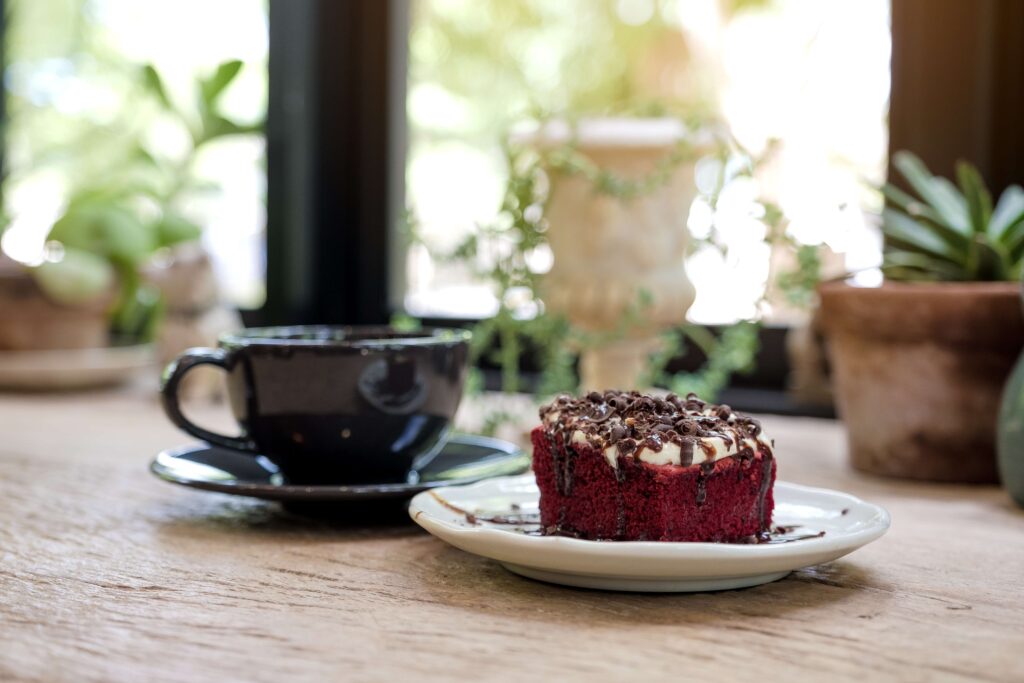
The café is crucial for community life. People come for coffee, talk about projects, and plan small events. Occasionally they make small lectures or talks about the environment, local history, or culture. Children draw pictures for the wall. Elderly people tell stories about the park, the neighborhood, and old traditions.
It is not only a café; it is a learning space. People learn to listen and respect others. They share different ideas. Visitors sometimes join volunteer work in the park or café itself. Everyone feels part of something bigger.
The café also works with schools. Students come for small lessons about plants, animals, or food. Teachers say learning outside the classroom is easier. Children ask questions and touch objects. Knowledge becomes alive.
Volunteers manage the schedule and tasks. They clean, serve, prepare food, and organize tables. Some visitors join too. Everyone helps in a small way. These actions make the community stronger.
- Community events happen weekly.
- Children and adults join workshops.
- People talk, share stories, and learn.
- Volunteers organize small tasks.
- The café connects the park and neighborhood.
Challenges and Success
Running a small café is not always easy. Sometimes there are fewer volunteers, and sometimes there is not enough food or cups. But people continue. They know small steps are important. Even small work brings big results. Visitors feel welcome and cared for. Children enjoy small activities. Volunteers feel happy helping.
Challenges also include keeping the café clean, making food fresh, and managing a small budget. Volunteers plan and share responsibilities. Everyone knows that a café is a place for people, not for profit. That idea gives energy to continue.
They may have to clean the tables several times a day or explain the rules to new guests. But people keep working and smile. They know that all it takes is a little work to make a warm place.
The café proves that a small space can make you feel like you belong. People sit down, drink tea, laugh, learn, and talk about their ideas. The café becomes a part of people’s memories, both young and old.
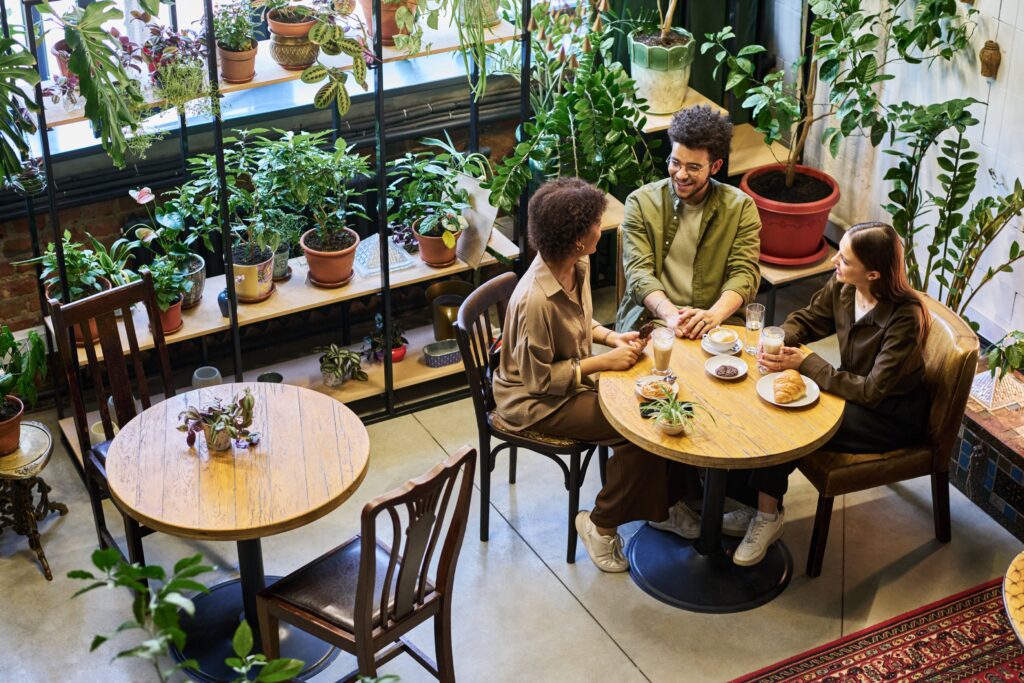
Learning and Education
Education is an important part of the café. People learn about food, the environment, and the park. Volunteers teach simple rules–do not waste food, help clean the table, and respect others. Children learn to prepare small meals and help with dishes. They also learn about plants and small animals in the park.
Café gives everyone a chance to feel part of the community. Visitors exchange experiences, learn new words, and share skills. Adults sometimes join small workshops about cooking or gardening. It is informal learning, but powerful.
Future Ideas
The café plans to expand activities. They want more workshops for children, more discussions for adults, and maybe small cultural events. Also, they plan to have a small garden outside where people can grow plants and herbs. Volunteers hope that everyone will participate in small projects and share experiences.
Even small improvements are important. Volunteers say that when they see people happy, they feel their effort is worth it. The café hopes to become a center of learning, meeting, and feeling safe in the neighborhood.