
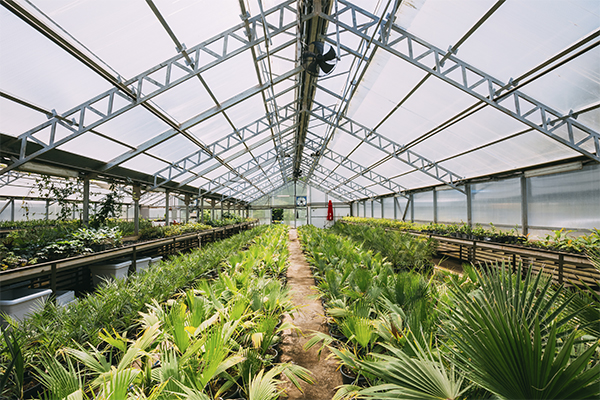
One of the unique things about Broomfield Park in Palmers Green, London, is the Broomfield Conservatory. It is close to the ponds and gardens and is surrounded by green lawns and tall trees. The conservatory is small but full of life. It has tropical plants, flowers, and stories about local people who saved it from going away.
Origins and Early Years
The first Broomfield Conservatory was built around the early 1930s as part of improvements made to Broomfield Park. At that time, Palmers Green was becoming a popular residential area, and the local council wanted to make the park more attractive.
The conservatory was made of glass and iron with elegant curves, typical for that period. Inside, it held exotic plants collected from abroad–ferns, palms, orchids, and cacti. Many families came to see the plants, which were rare in London gardens.
For decades, the conservatory was open to the public almost every day. Schoolchildren visited for nature lessons, and photographers liked to take pictures of flowers in bloom. It became a local treasure, showing how people could enjoy tropical beauty even in North London weather.
Years of Decline and Closure
In the 1980s and 1990s, the conservatory started to fall into bad condition. Some of the glass panes broke, the structure rusted, and there was not enough money for repairs. After Broomfield House was damaged by fire, attention moved away from the conservatory.
By the late 1990s, it was closed for safety reasons. Many plants died, and the space became empty and sad. Residents walked by and remembered how it once looked full of green life and warmth.
But local people did not forget it. They wanted to bring it back. Their idea was simple–if the council could not repair it, maybe volunteers could.
The Restoration Project
The rebirth of Broomfield Conservatory started with a group of volunteers who later became part of the Friends of Broomfield Park. They decided to restore the building step by step.
They cleaned the area, removed broken glass, and painted the metal frame. The work was slow but full of hope. Fundraising events helped to buy materials. Many local businesses and families donated small amounts, and people gave their time for free.
After some years, the conservatory opened again to visitors. It was not large, but it was clean, warm, and full of plants. The reopening was celebrated with music and tea in the park.
Key Steps in Restoration
- Cleaning and repairing damaged structure parts.
- Installing new glass panels and a heating system.
- Replanting tropical and subtropical species.
- Creating open days for visitors and schools.
The Design and Atmosphere
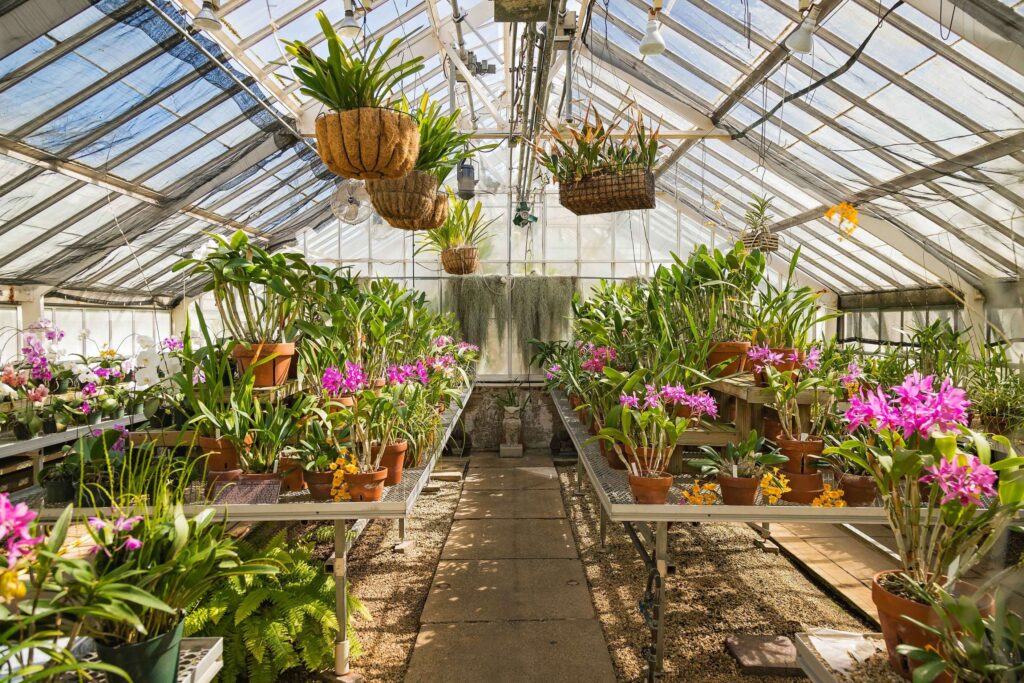
The design of the conservatory is elegant and simple. Its glass walls and roof let sunlight in from all sides. The structure has one main hall with curved frames and a stone path in the middle. Plants grow in soil beds along the walls and in pots on wooden stands.
The air inside is warm and damp. The smell of flowers and wet earth mix together. You can hear the water drop from a small fountain and see the green leaves shine in the light. There are buses that go by just outside the park, but it feels far away from the noise of the city.
You can walk through the conservatory in a few minutes, but many people stay longer and just sit on the bench and watch the plants. It turned into a place to relax, think, and be calm.
Plant Collection and Care
Volunteers take care of the plants every week. The collection includes tropical and subtropical species from many countries. Some are decorative; others are useful or rare.
The plants are grouped by their growing needs–moisture, shade, or light. There are also flowering plants that change during the year, so the view inside never stays the same.
Common Plants in the Conservatory
- Palms, ferns, and rubber trees
- Orchids, begonias, and peace lilies
- Citrus plants, bananas, and ginger
- Cacti, succulents, and bromeliads
Volunteers water, prune, and repot them. They control humidity and temperature using simple heaters and fans. There are no big machines or expensive systems; everything is done by hand.
Taking care of the plants also means getting rid of pests and keeping the soil healthy. A lot of people who come here ask how to grow plants like these at home, and volunteers are always happy to help.
The Role of Volunteers
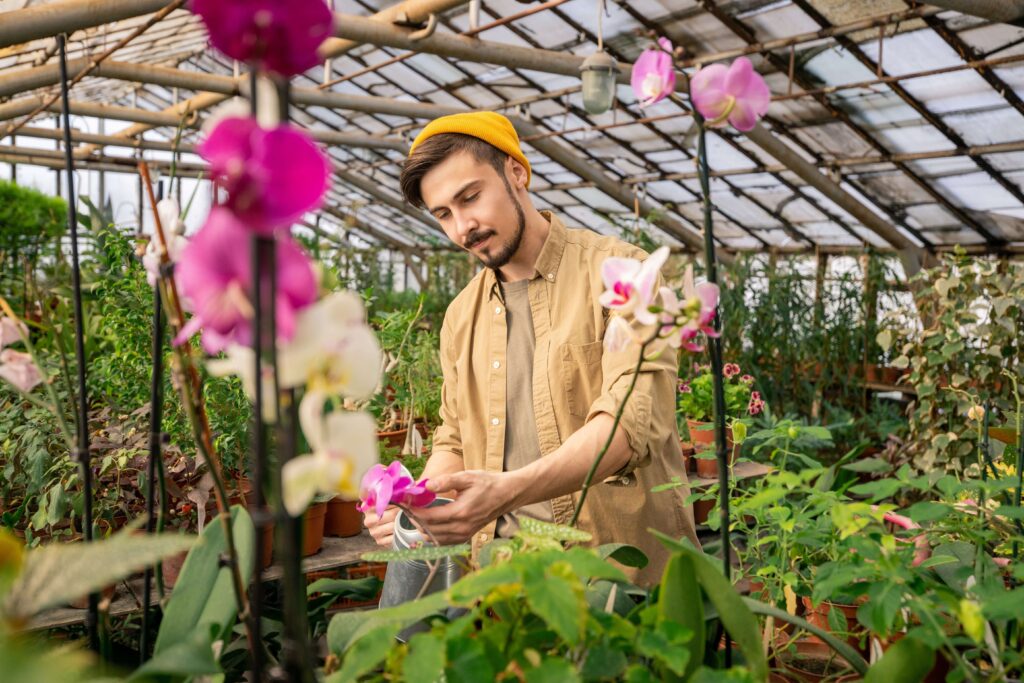
The conservatory exists today only because of volunteers. They give their time, energy, and love. Many of them are not professional gardeners but learned from experience.
They organize open days when the public can enter for free. There are signs with plant names and short descriptions, written in friendly language. There are also small concerts and art shows there from time to time.
Volunteers also run workshops for schools and families. Children learn about plant growth, watering, and the life cycle of butterflies. For many, it is their first contact with real tropical plants.
The work continues every week, in all seasons. Rain or shine, the volunteers come with tools, soil, and new seedlings. Their goal is simple–keep the conservatory alive and green.
Educational and Cultural Importance
There are more than just plants at the Broomfield Conservatory. It’s also about learning and sharing what you know. A lot of schools in the area come to learn about the environment, ecosystems, and how to be more sustainable.
The conservatory shows people how plants from different parts of the world can live together. It teaches about the variety of life on Earth and how easily it can be harmed.
It also has cultural meaning. Some of the plants come from places connected to the local community–the Caribbean, Africa, and Asia. People see flowers from their home countries and feel a link with nature and memory.
Challenges and Maintenance
Running a conservatory is not easy. There are many problems: broken glass, heating costs, water leaks, or plant diseases. The structure needs constant care and cleaning.
When money is short, volunteers organize small sales of plants or hold open days to raise funds. They also receive small grants from the council or charities.
Regular Maintenance Tasks
- Putting in new glass panels to replace broken ones.
- Checking the heating and cooling systems.
- Taking algae and moss off of surfaces.
- Checking the temperature and humidity every day.
- Recording plant growth and replacing old soil.
These tasks keep the conservatory safe and beautiful. Without this constant attention, it would again fall into neglect.
Connection with Broomfield Park
The conservatory is part of the bigger story of Broomfield Park. It is close to the ponds and gardens, which make up a small ecosystem of its own. Bees and butterflies fly from the flowers in the house to the meadows outside.
Many people who come to the park also visit the conservatory. The tropical air in the greenhouses is different from the open lawns and tall oaks. Together, they show that nature can take many forms, from wild to well–kept.
The conservatory also connects to other community projects like the orchard and the café. It reminds people that the park is alive because of them.
Present and Future
Today, Broomfield Conservatory is open to the public on weekends and some weekdays. It welcomes visitors of all ages. Entry is free, but donations are appreciated.
The long–term dream is to expand it, maybe build a small classroom area or add a rainwater collection system. Volunteers hope it will inspire more people to learn about plants and care for the environment.
Even small steps–watering, planting, and cleaning–help to keep this beautiful corner alive. Every new flower or leaf is a sign of success.
Broomfield Conservatory stands as an example of how community spirit can save history and nature together. It is a bright glass house full of life, memory and hope.